
Après Snow
Shearling seating made for hibernation season. This edit brings together our favorite shearling chairs—selected for their tactile richness, sculptural form, and cold-weather appeal.
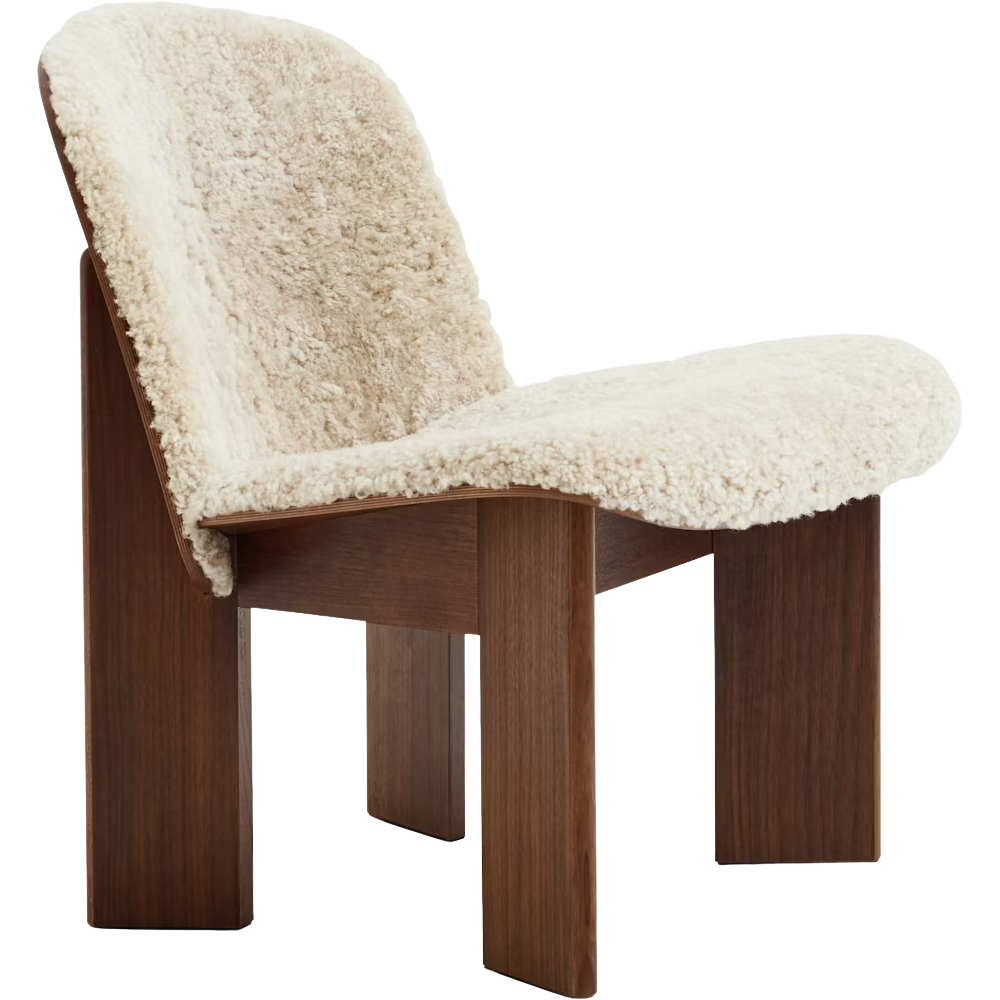
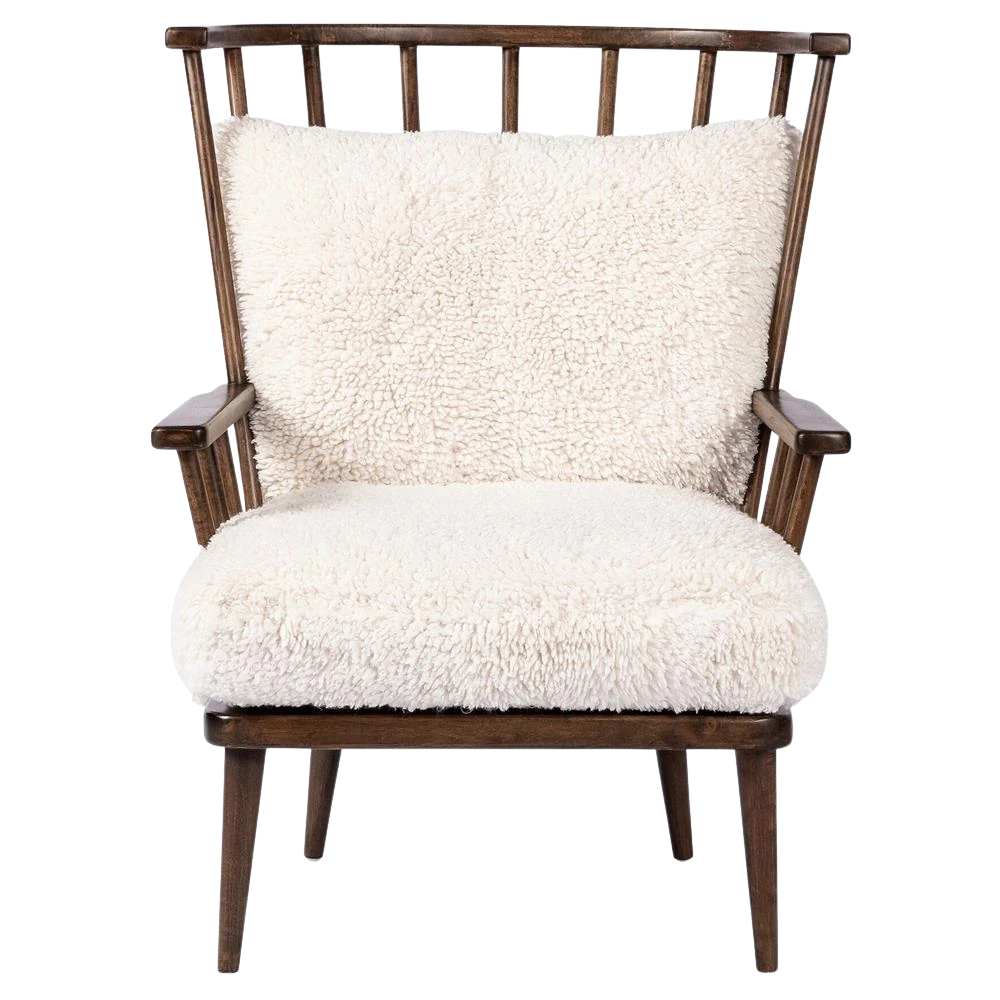
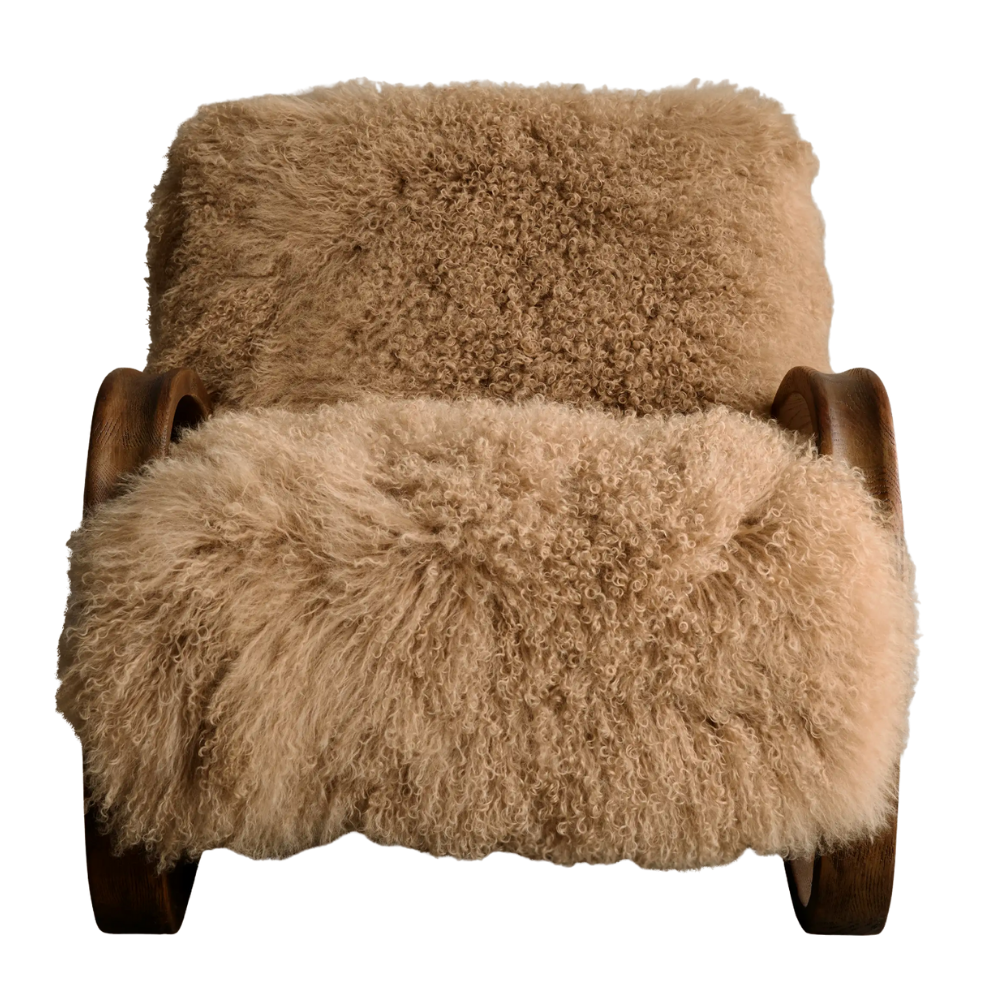
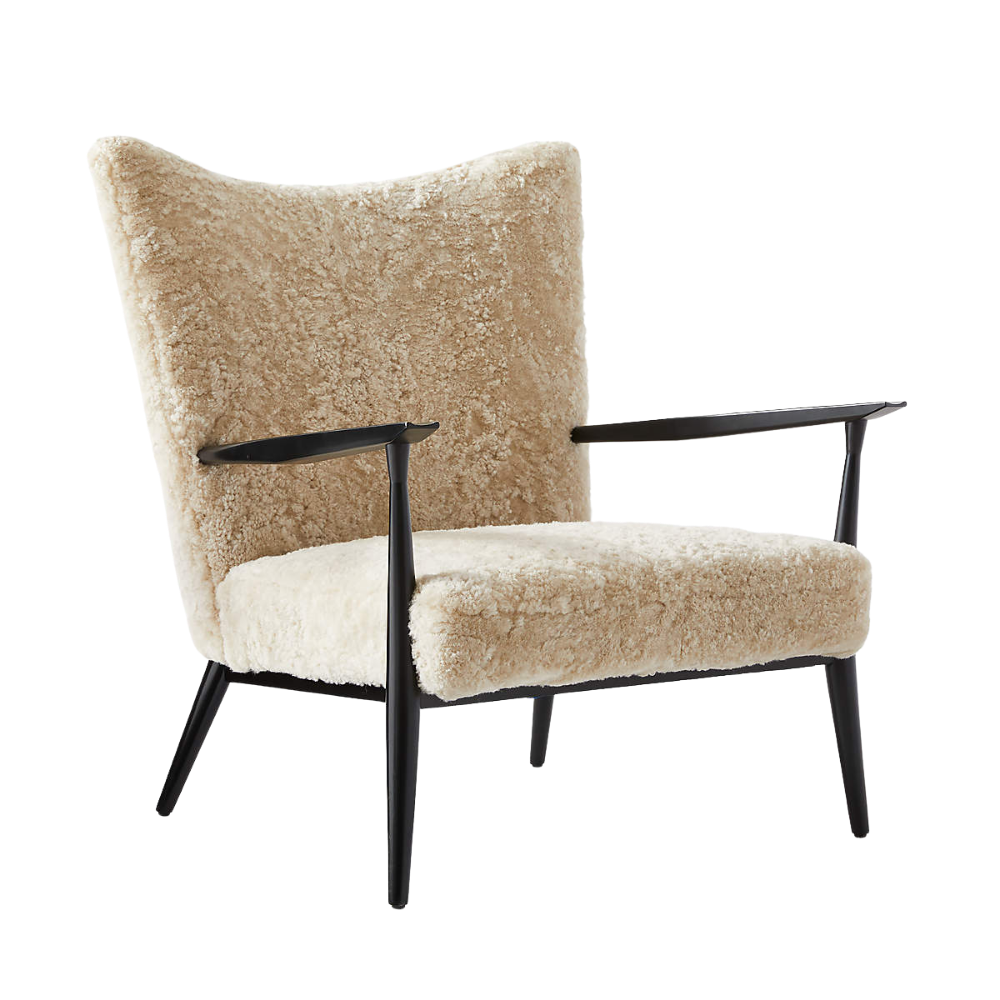
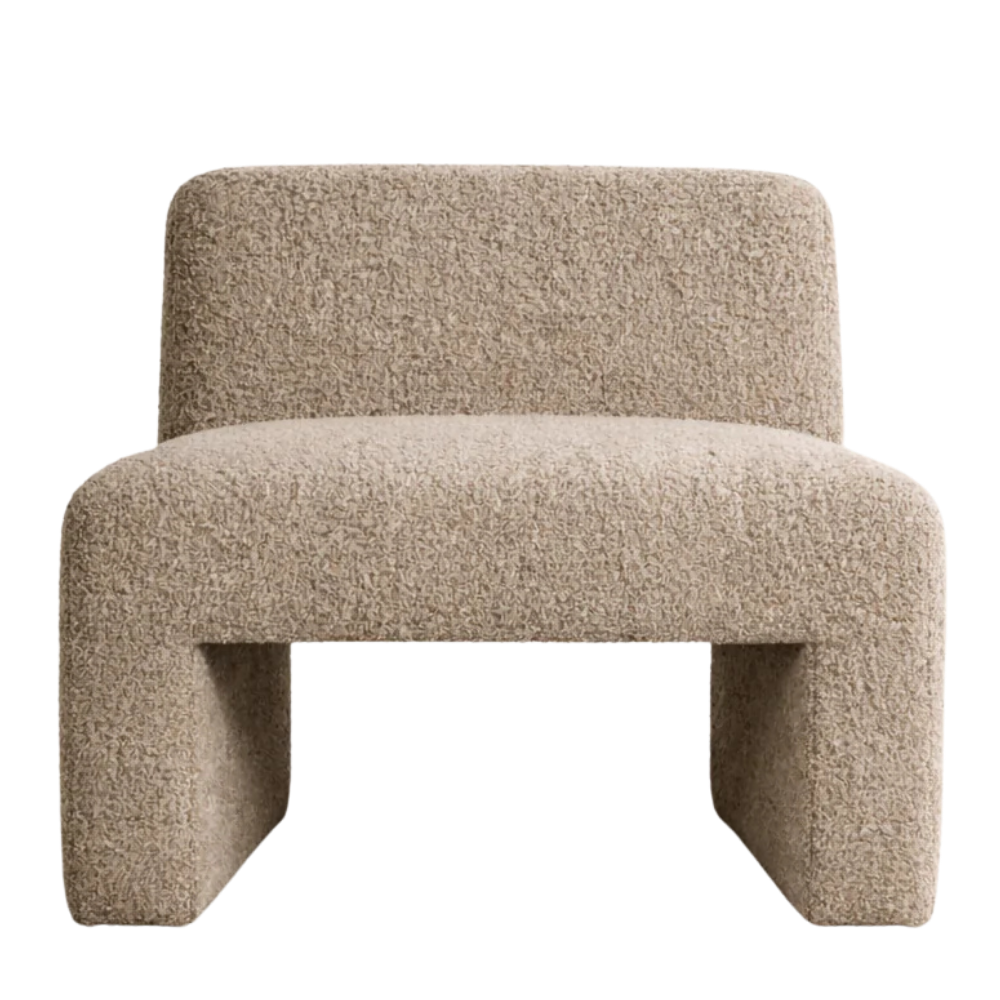
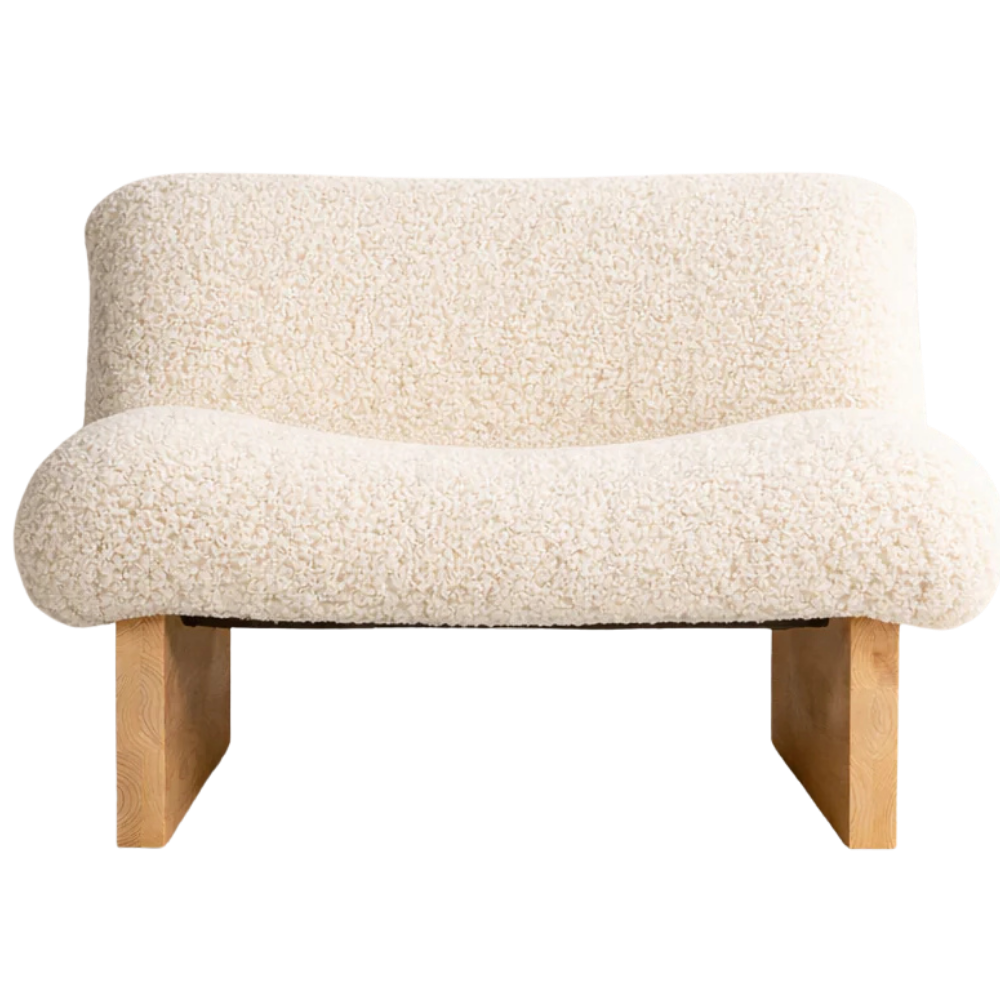
Shearling has a long history, but it continues to feel unmistakably current. Whether natural or faux, it’s a material that brings warmth, texture, and ease into a space, making it especially well suited for seating.
A Brief History of Shearling
Traditionally, shearling refers to sheepskin with the wool left intact, tanned so the hide and fleece form a single, durable material. For centuries, it was valued for its insulating qualities and resilience, used in cold-weather clothing and utilitarian gear long before it entered the home. Over time, designers embraced shearling not only for what it does, but for how it looks and feels—soft, dimensional, and inherently inviting.
As interiors evolved, so did the material. Today, both natural and faux shearling are used to achieve that same sense of warmth and tactility, offering different approaches to comfort while maintaining a shared visual language.
Why Shearling Works for Chairs
Shearling—real or faux—has an immediate relationship to comfort. Its plush surface adds softness without overwhelming the structure of a chair, allowing form and silhouette to remain visible. Natural shearling is known for its breathability and temperature-regulating properties, while faux shearling offers a consistent texture and a more uniform appearance. Both create seating that feels enveloping, relaxed, and approachable.
In a room, shearling chairs act as a counterbalance to harder materials like wood, metal, or stone. They invite you to sit, linger, and slow down—bringing a sense of warmth that’s as visual as it is physical.
Care and Consideration
Care depends on the material. Natural shearling benefits from gentle maintenance: light brushing or vacuuming to preserve the wool’s loft, and careful spot cleaning when needed. Faux shearling is generally easier to care for, often more resistant to staining, and well suited to everyday use. In both cases, keeping the material clean and protected from excessive moisture will help maintain its texture and appearance over time.
